
Drug Addiction (Substance Use Disorder): A Comprehensive Guide to Symptoms, Causes, Treatment, and Recovery
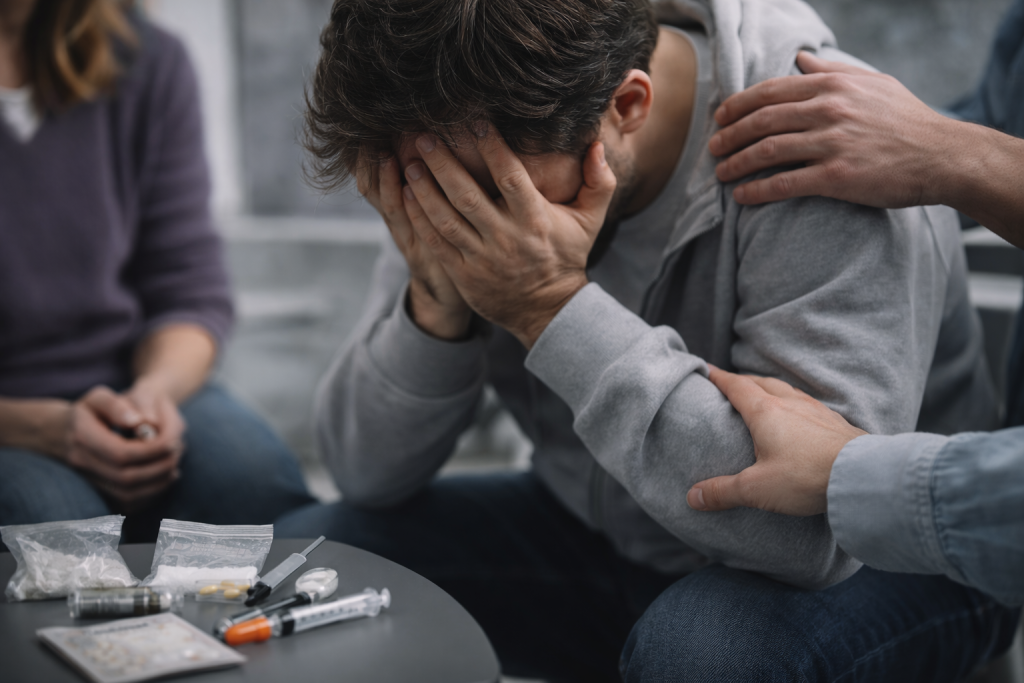
Drug Addiction Treatment in turkey
Overview
Drug addiction—also called substance use disorder—is a condition that affects a person’s brain and behavior and leads to an inability to control the use of a drug or other substance, whether legal or illegal. Substances such as alcohol, marijuana, and nicotine are also considered drugs. When addiction occurs, a person may continue using the substance despite the harm it causes.
Drug addiction may begin with experimental use of a recreational drug in social settings and, for some people, progresses to more frequent use. For others—especially with opioids—addiction may start with prescribed medications or with drugs obtained from others who have prescriptions.
The risk of addiction and how quickly it develops vary by drug. Some substances—such as opioid painkillers—carry a higher risk and can lead to addiction more rapidly than others.
Over time, you may need larger doses of the drug to get the same effect. Soon you may need the drug just to feel “normal.” As your drug use increases, you may find it increasingly difficult to go without it. Attempts to stop may cause intense cravings and make you feel physically ill—this is known as withdrawal.
Support from a health care provider, family, friends, support groups, or structured treatment programs can help you overcome drug addiction and stay drug-free.
Symptoms
Symptoms or behaviors of drug addiction may include:
-
Feeling that you have to use the drug regularly—daily or even several times a day
-
Having strong cravings for the drug that block out any other thoughts
-
Over time, needing more of the drug to get the same effect
-
Taking larger amounts of the drug or using it for longer than you intended
-
Making sure you maintain a supply of the drug
-
Spending money on the drug even when you can’t afford it
-
Failing to meet obligations at work, school, or home, or reducing social or recreational activities because of drug use
-
Continuing to use the drug even though you know it causes problems in your life or harms you physically or psychologically
-
Doing things to get the drug that you normally wouldn’t do, such as stealing
-
Driving or doing risky activities while under the influence
-
Spending a great deal of time getting the drug, using it, or recovering from its effects
-
Failing in attempts to stop using the drug
-
Experiencing withdrawal symptoms when you try to stop taking the drug
Recognizing unhealthy drug use in family members
It can sometimes be difficult to distinguish normal teenage mood changes or anxiety from signs of drug use. Possible signs that a teenager or family member may be using drugs include:
-
Problems at school or work — frequent absences, sudden loss of interest in school or work, or a drop in grades or job performance
-
Physical health problems — lack of energy or motivation, weight loss or gain, or red eyes
-
Neglecting appearance — little interest in clothing, grooming, or overall looks
-
Behavior changes — strong efforts to keep family members out of a teen’s room, being overly secretive about going out with friends, or dramatic changes in behavior and relationships with family and friends
-
Money problems — sudden requests for money without a clear reason; noticing missing money, stolen items, or missing valuables from the home, which may indicate selling possessions to support drug use
Recognizing signs of drug use or intoxication
Signs and symptoms depend on the type of drug. Here are some examples:
Marijuana, hashish, and other cannabis-containing substances
People use cannabis by smoking, eating it, or inhaling its vapor. Cannabis often precedes or is used with other substances such as alcohol or illegal drugs and is often the first drug tried.
Signs and symptoms of recent use may include:
-
A sense of euphoria or feeling “high”
-
Heightened visual, auditory, and taste perception
-
Increased blood pressure and heart rate
-
Red eyes
-
Dry mouth
-
Poor coordination
-
Difficulty concentrating or remembering
-
Slower reaction time
-
Anxiety or paranoid thinking
-
Cannabis odor on clothing or yellowing of fingertips
-
Strong cravings for certain foods at unusual times
Long-term use is often associated with:
-
Lower mental sharpness
-
Poor performance at school or work
-
Chronic cough and frequent lung infections
K2, Spice, and bath salts
Two groups of synthetic drugs—synthetic cannabinoids and substituted or synthetic cathinones—are illegal in most places. Their effects can be dangerous and unpredictable because of lack of quality control and unknown ingredients.
Synthetic cannabinoids—also known as K2 or Spice—are sprayed on dried herbs and smoked, brewed as tea, or vaporized in e-cigarettes. Despite manufacturers’ claims, they are chemical compounds, not “natural” or harmless. They may produce marijuana-like intoxication and have become a common but dangerous alternative.
Signs and symptoms of recent use may include:
-
Feeling “high”
-
Elevated mood
-
Altered sense of sight, sound, and taste
-
Severe anxiety or agitation
-
Paranoia
-
Hallucinations
-
Increased heart rate and blood pressure or a heart attack
-
Vomiting
-
Confusion
-
Violent behavior
Substituted cathinones—also called “bath salts”—are mind-altering substances similar to stimulants such as ecstasy (MDMA) and cocaine. Packaging is often mislabeled to avoid detection.
These substances may be swallowed, snorted, smoked, or injected and are highly addictive. They can cause severe intoxication leading to serious health effects or death.
Signs and symptoms of recent use may include:
-
Feeling “high”
-
Increased sociability
-
Increased energy and agitation
-
Increased sex drive
-
Increased heart rate and blood pressure
-
Trouble thinking clearly
-
Loss of muscle control
-
Paranoia
-
Panic attacks
-
Hallucinations
-
Delirium
-
Psychotic and violent behavior
Barbiturates, benzodiazepines, and hypnotics
These are central nervous system depressants prescribed by a doctor. They are often used—or misused—to feel relaxed, “switch off,” or forget stressful thoughts or feelings.
-
Barbiturates: e.g., phenobarbital
-
Benzodiazepines: e.g., diazepam (Valium), alprazolam (Xanax), lorazepam (Ativan), clonazepam (Klonopin), chlordiazepoxide (Librium)
-
Hypnotics: prescription sleep medicines such as zolpidem (Ambien) and zaleplon (Sonata)
Signs and symptoms of recent use may include:
-
Drowsiness
-
Slurred speech
-
Poor coordination
-
Irritability or mood changes
-
Trouble concentrating or thinking clearly
-
Memory problems
-
Involuntary eye movements
-
Poor behavioral inhibition
-
Slowed breathing and low blood pressure
-
Falls or accidents
-
Dizziness
Drug Addiction Treatment in turkey, Addiction treatment in Turkey with Dr. Alakkad
Addiction treatment in Turkey has become one of the leading options globally thanks to the combination of advanced medical expertise, comprehensive treatment programs, and more affordable costs compared with many other countries. Treatment centers in Turkey often provide a safe, supportive environment and follow up-to-date medical protocols for detoxification, psychotherapy, and behavioral rehabilitation.
Dr. Alakkad plays a central role in the recovery journey. Treatment begins with a comprehensive medical and psychological evaluation for each individual, followed by a personalized plan that considers the type of addiction, duration of use, overall health, and the psychological and social factors involved. The therapeutic approach focuses on:
-
Safe, medically supervised detoxification
-
Individual and group psychotherapy
-
Addressing the root causes of addiction—not just the symptoms
-
Behavioral rehabilitation and relapse-prevention programs
-
Post-treatment follow-up to support long-term recovery
This integrated approach aims to achieve sustainable recovery, helping patients regain physical and emotional stability and return to normal life with confidence.
Free initial consultation
If you or a family member is seeking professional and compassionate addiction treatment in Turkey, you can contact Dr. Alakkad’s team directly for an initial consultation and case evaluation via WhatsApp:
Request a consultation and treatment
Start your first step toward recovery today—early treatment significantly increases the chances of full recovery and long-term stability.
Methamphetamine, cocaine, and other stimulants
Stimulants include amphetamines, meth (methamphetamine), cocaine, methylphenidate (Ritalin, Concerta, and others), and amphetamine-dextroamphetamine (Adderall XR, Mydayis). These substances are often used or misused for a “high,” increased energy, improved work or study performance, or weight loss/appetite control.
Signs and symptoms of recent use may include:
-
Feeling extremely happy and overly confident
-
Increased alertness
-
Increased energy and restlessness
-
Behavioral changes or aggression
-
Rapid or rambling speech
-
Pupils larger than normal (the black center of the eye)
-
Confusion, delusions, or hallucinations
-
Irritability, anxiety, or paranoia
-
Changes in heart rate, blood pressure, and body temperature
-
Nausea or vomiting with weight loss
-
Poor judgment
-
Nasal congestion and damage to the nasal lining (if snorted)
-
Mouth sores, gum disease, and tooth decay from smoking drugs (“meth mouth”)
-
Insomnia
-
Depression as the drug wears off
Club drugs
Club drugs are commonly used at clubs, concerts, and parties. Examples include MDMA (also known as ecstasy or molly) and gamma-hydroxybutyrate (GHB). Other examples include ketamine and flunitrazepam (Rohypnol, often called “roofies,” a brand name used outside the U.S.). These drugs don’t all belong to the same class, but they share some effects and risks, including long-term harm.
Because GHB and flunitrazepam can cause sedation, muscle relaxation, confusion, and memory loss, they have been associated with sexual assault.
Signs and symptoms may include:
-
Hallucinations
-
Paranoia
-
Pupils larger than normal
-
Chills and sweating
-
Involuntary trembling
-
Behavioral changes
-
Muscle spasms and teeth grinding
-
Muscle relaxation, poor coordination, or difficulty moving
-
Reduced inhibitions
-
Heightened or altered vision, hearing, and taste
-
Poor judgment
-
Memory problems or memory loss
-
Reduced level of consciousness
-
Increased or decreased heart rate and blood pressure
Hallucinogens
Hallucinogens can cause different signs and symptoms depending on the drug. The most common are LSD and PCP.
LSD may cause:
-
Hallucinations
-
Greatly reduced sense of reality, such as interpreting input from one sense as another (for example, “hearing colors”)
-
Impulsive behavior
-
Rapid emotional shifts
-
Persistent changes in perception
-
Rapid heartbeat and high blood pressure
-
Tremors
-
Flashbacks—re-experiencing hallucinations even years later
PCP may cause:
-
A feeling of being detached from your body and surroundings
-
Hallucinations
-
Problems with coordination and movement
-
Aggressive or violent behavior
-
Involuntary eye movements
-
Reduced sense of pain
-
High blood pressure and heart rate
-
Problems with thinking and memory
-
Slurred speech
-
Poor judgment
-
Intolerance to loud noises
-
Sometimes seizures or coma
Inhalants
Signs and symptoms vary by product. Common inhalants include glue, paint thinners, correction fluid, marker fluids, gasoline, cleaning fluids, and household aerosol products. Because these products are toxic, inhalant users may suffer brain damage or sudden death.
Signs and symptoms may include:
-
Possessing an inhalant without a reasonable explanation
-
Brief euphoria
-
Acting intoxicated
-
Poor impulse control
-
Aggressive behavior or fighting
-
Dizziness
-
Nausea or vomiting
-
Involuntary eye movements
-
Slurred speech, slow movement, and poor coordination
-
Irregular heartbeat
-
Tremors
-
Lingering odor of inhalants
-
Rash around the nose and mouth
Opioid painkillers
Opioids are narcotic pain-relieving drugs made from opium or produced synthetically. They include heroin, morphine, codeine, methadone, fentanyl, and oxycodone, among others.
This issue is sometimes described as the opioid epidemic in the United States, where addiction to prescription opioid pain medicines has reached alarming levels. Some people who use opioids long-term may need temporary or long-term replacement therapy under medical supervision during treatment.
Signs and symptoms of opioid drug use and dependence may include:
-
Feeling “high”
-
Reduced sense of pain
-
Agitation, drowsiness, or sedation
-
Slurred speech
-
Problems with attention and memory
-
Pupils smaller than normal
-
Reduced awareness or lack of attention to surroundings
-
Coordination problems
-
Depression
-
Confusion
-
Constipation
-
Runny nose or nasal sores (if snorted)
-
Needle marks (if injected)
When to see a doctor
If drug use is out of control or causing problems, seek help. The sooner you ask for support, the greater your chances of long-term recovery. Talk with your primary care provider or see a mental health specialist such as an addiction medicine physician, addiction psychiatrist, or a licensed alcohol and drug counselor.
If you are not ready to talk to a health care professional, helplines or hotlines can be a good place to learn about treatment options. You can find them online or in a phone directory.
When to seek emergency help
Seek emergency help if you or someone you know has taken a drug and develops:
-
Signs of a possible overdose
-
Changes in level of consciousness
-
Trouble breathing
-
Seizures
-
Signs of a possible heart attack, such as chest pain or pressure
-
Any other concerning physical or psychological reaction after drug use
Organizing an intervention
People struggling with addiction often deny they have a problem and may be reluctant to seek treatment. An intervention provides a structured opportunity for loved ones to encourage change before the situation worsens.
Planning is important. Family and friends may organize an intervention after consulting with a health care provider or mental health professional, such as a licensed alcohol and drug counselor, or with the guidance of an intervention specialist. It often involves family, friends, and sometimes coworkers, clergy, or others who care about the person.
During an intervention, the group gathers to have a direct and honest conversation about the consequences of addiction and asks the person to accept treatment.
Causes
As with many mental health disorders, several factors may contribute to drug addiction. Key factors include:
-
Environment: family beliefs and attitudes and exposure to peers who encourage drug use can play a role in starting use.
-
Genetics: once drug use begins, inherited traits may influence how quickly addiction develops—either slowing or speeding the progression.
Changes in the brain
Physical addiction may occur when repeated drug use changes how the brain experiences pleasure. Addictive drugs cause physical changes in some nerve cells (neurons) in the brain. Neurons communicate via chemicals called neurotransmitters, and these changes may last long after stopping drug use.
Risk factors
Anyone—regardless of age, sex, or economic status—can develop drug addiction. Factors that may affect the likelihood and speed of addiction include:
-
Family history of addiction: addiction tends to run in families and may involve a higher genetic risk. If a first-degree relative has alcohol or drug addiction, you may be at greater risk.
-
Mental health disorders: conditions such as depression, ADHD, or PTSD increase risk. Some people use drugs to cope with distressing emotions such as anxiety, depression, or loneliness, which can worsen these problems.
-
Peer pressure: a strong factor in starting drug use and misuse, especially among young people.
-
Lack of family involvement: difficult family situations, weak relationships, or limited parental supervision may increase risk.
-
Early use: using drugs at an early age can change the developing brain and increase the chance of addiction later.
-
Using a highly addictive drug: some substances—such as stimulants, cocaine, or opioid painkillers—can cause addiction more rapidly than others. Smoking or injecting increases risk. “Light” drug use may also lead to a path toward heavier drug use and addiction.
Complications
Drug Addiction Treatment in turkey
Drug use can have serious and damaging short- and long-term effects. Taking certain drugs can be especially risky—particularly at high doses or when mixed with other drugs or alcohol. Examples include:
-
Methamphetamine, opioids, and cocaine are highly addictive and can cause serious short- and long-term health consequences, including psychosis, seizures, or death from overdose. Opioids affect the brain area that controls breathing; overdose can be fatal, and the risk increases when opioids are combined with alcohol.
-
GHB and flunitrazepam can cause sedation, confusion, and memory loss and are associated with drug-facilitated sexual assault. At high doses, they may cause seizures, coma, or death—risk increases with alcohol use.
-
MDMA (molly/ecstasy) can impair the body’s ability to regulate temperature. Severe overheating can cause liver, kidney, or heart failure and death. Other complications include severe dehydration, which can cause seizures. Long-term MDMA use can also harm the brain.
-
A special risk with club drugs is that street forms (liquids, pills, powders) may contain unknown and harmful ingredients, including illegally manufactured drugs or pharmaceutical medications.
-
Because inhalants are toxic, they can cause varying degrees of brain damage. Sudden death can occur even after a single exposure.
Other life-altering complications
Drug dependence can lead to serious consequences, including:
-
Infectious diseases such as HIV from unsafe sex or sharing needles
-
Other health problems (mental and physical), depending on the drug
-
Accidents such as driving or risky activities while intoxicated
-
Suicide, which occurs at higher rates among people with addiction
-
Family problems including conflict and child custody issues
-
Work problems such as poor performance, absenteeism, and job loss
-
School problems such as reduced academic performance and motivation
-
Legal problems related to buying/possessing illegal drugs, theft, intoxicated driving, or custody disputes
-
Financial problems including debt and unethical/illegal behavior to obtain drugs
Prevention
The best way to prevent drug addiction is not to use drugs at all. If your health care provider prescribes a medication with addiction potential, use it carefully and follow directions exactly.
Health care providers should prescribe these medicines in safe doses and quantities and monitor use to avoid prolonged high-dose exposure. If you feel you need more than the prescribed dose, talk with your provider.
Preventing drug misuse in children and teenagers
To help prevent drug misuse:
-
Communicate: talk with your children about the risks of drug use and misuse.
-
Listen: be a good listener when children talk about peer pressure and support their efforts to resist it.
-
Be a good role model: don’t misuse alcohol or addictive medications. Children whose parents misuse drugs are at greater risk.
-
Strengthen bonds: build a strong, stable relationship—this lowers the risk of drug use or misuse.
Preventing relapse
Once you’ve been addicted to a drug, you’re more likely to relapse. If you use the drug again, you may lose control—even after treatment and a period of abstinence.
-
Stick to your treatment plan. Monitor cravings. Even if you feel “recovered,” continuing therapy, support groups, and prescribed medications greatly increases your chances of staying in recovery.
-
Avoid high-risk situations. Don’t return to places where you used to obtain drugs and avoid old using friends.
-
Seek help immediately if you relapse. Talk right away with a health care provider, mental health specialist, or someone who can help you quickly.
Dr. Alakkad’s role in addiction treatment in Turkey
Dr. Alakkad plays a key role in addiction treatment programs in Turkey, using an integrated medical and human-centered approach. Treatment begins with a comprehensive assessment of each patient’s physical and psychological condition, followed by a precise, individualized plan based on the type of addiction, its duration, symptom severity, and the patient’s psychological and social background.
Dr. Alakkad focuses on treating the root causes—not just the symptoms—by combining safe medical detoxification, specialized psychotherapy, and behavioral rehabilitation programs, with continuous follow-up to prevent relapse and support long-term recovery. When appropriate, family involvement is encouraged as a key pillar of successful recovery.
This approach relies on up-to-date international medical protocols and a supportive, safe therapeutic environment that helps patients regain balance and return to life with confidence and stability.
Initial consultation and direct contact
If you are seeking professional addiction treatment in Turkey with personalized follow-up, you can contact Dr. Alakkad’s team for an initial consultation and evaluation via WhatsApp:
Request a consultation and treatment
Start your first step toward recovery today—early treatment can make a real difference in achieving full recovery.
Diagnosis
Diagnosing drug addiction (substance use disorder) requires a thorough evaluation, often including an assessment by a psychiatrist, psychologist, or licensed alcohol and drug counselor. Blood, urine, or other lab tests may be used to assess drug use, but they are not diagnostic tests for addiction. However, these tests may be used to monitor treatment and recovery.
To confirm a substance use disorder diagnosis, most mental health professionals use the criteria in the Diagnostic and Statistical Manual of Mental Disorders (DSM-5), published by the American Psychiatric Association.
Treatment
Although there is no cure for drug addiction, treatment options can help you overcome addiction and remain drug-free. Treatment depends on the type of drug used and any related medical or mental health conditions. Long-term follow-up is important to prevent relapse.
Treatment programs
Substance use disorder treatment programs typically offer:
-
Individual, group, or family counseling sessions
-
Education about addiction, staying drug-free, and preventing relapse
-
Different levels of care and settings as needed, such as outpatient, residential, or inpatient hospital programs
Withdrawal management (detox)
Detoxification aims to help you stop using the addictive drug as quickly and safely as possible. Some people can detox safely as outpatients; others need hospitalization or a residential treatment center.
Withdrawal from different drug classes—such as depressants, stimulants, or opioids—causes different side effects and requires different treatment approaches. Detox may involve tapering the drug dose or temporarily substituting another substance such as methadone, buprenorphine, or a combination of buprenorphine and naloxone.
Opioid overdose
In opioid overdose, emergency responders—or, in some areas, any witness—may administer naloxone, which temporarily reverses opioid effects.
Although naloxone has been available for years, nasal sprays (Narcan, Kloxxado) and injectable forms are now available, but may be expensive. Regardless of the method used, medical care should be sought immediately after naloxone administration.
Medications as part of treatment
After discussing your situation, your provider may recommend medications as part of opioid addiction treatment. Medications do not cure addiction, but they support recovery by reducing cravings and helping prevent relapse. Options include buprenorphine, methadone, naltrexone, and buprenorphine/naloxone.
Behavioral therapy
Behavioral therapy (a form of psychotherapy) may be provided by a psychiatrist or psychologist, or through counseling by a licensed alcohol and drug counselor. Therapy may be individual, group, or family-based and helps you:
-
Develop ways to cope with drug cravings
-
Learn strategies to avoid drugs and prevent relapse
-
Receive guidance on handling relapse if it occurs
-
Address work, legal, or relationship issues
-
Involve family members to improve communication and strengthen support
-
Treat co-occurring mental health conditions
Self-help and support groups
Many (but not all) support groups follow the 12-step model originally developed by Alcoholics Anonymous. Groups such as Narcotics Anonymous help people with addiction.
These groups emphasize that addiction is an ongoing disorder with a risk of relapse. Support groups can reduce shame and isolation, which can otherwise trigger relapse.
Ongoing treatment
Even after initial treatment, continued care and support can help prevent relapse. Aftercare may include regular counselor visits, ongoing self-help programs, or scheduled group sessions. Seek help immediately if relapse occurs.
Request a consultation and treatment
Coping and support
Overcoming addiction and staying drug-free requires ongoing effort. Learning new coping skills and knowing where to get help are essential. Helpful steps include:
-
See a licensed therapist or alcohol and drug counselor. Addiction is linked to many problems that therapy can help address, including underlying mental health conditions, marriage or family issues, and relationship repair.
-
Get treatment for other mental health conditions. People with depression and other conditions are at higher risk of addiction—seek prompt professional help if symptoms appear.
-
Join a support group. Groups like Narcotics Anonymous or Alcoholics Anonymous can be highly effective. Empathy, understanding, and shared experiences help break the addiction cycle and support recovery.
Preparing for your appointment
It may help to bring a trusted person who knows you well. Start by talking to your primary care provider or ask for a referral to an addiction specialist, such as a licensed alcohol and drug counselor, psychiatrist, or psychologist.
Before your appointment, be ready to:
-
Be honest about your drug use. It’s easy to minimize use or severity, but accurate information helps determine the best treatment.
-
Make a list of all medications, vitamins, herbs, and supplements you take, including doses, and disclose any legal or illegal drugs you use.
-
Prepare questions you want to ask.
Possible questions include:
-
What is the best approach to treat my drug addiction?
-
Should I see a psychiatrist or another mental health professional?
-
Will I need hospitalization or inpatient/outpatient rehab?
-
What alternatives exist to the approach you recommend?
-
Are there brochures or printed materials I can have? What websites do you recommend?
What your doctor may ask:
-
Which drugs do you use?
-
When did you first start using?
-
How often do you use drugs?
-
How much do you use when you take them?
-
Do you feel you have a problem with drugs?
-
Have you tried to stop on your own? What happened?
-
Did you experience withdrawal symptoms when you tried to stop?
-
Has any family member criticized your drug use?
-
Are you ready to get treatment?
Be prepared to answer so there’s enough time to discuss what matters most to you.
Request a consultation and treatment